

Before we address the complex relationship https://ecosoberhouse.com/ between alcoholism and narcissism, we need to understand what narcissism is. Rooted in the term “narcissus” from Greek mythology, where Narcissus fell in love with his reflection, it represents an excessive self-focus and inflated sense of self-importance. Narcissistic personality disorder (NPD) and alcohol use disorder (AUD) are closely linked and can occur together as a dual diagnosis.
- This is especially true if you have conflicted emotions and are reluctant to speak with others who might judge you or your relationship.
- They may also shield the narcissist from the consequences of their actions, such as legal or financial problems.
- Conversely, alcohol abuse can exacerbate narcissistic traits, such as grandiosity and lack of empathy.
- When confronted, a covert narcissist may initially deny or deflect responsibility, gaslight the accuser, or play the victim to manipulate the situation.
- Narcissists base their self-worth on the praise and attention of others, and when they fail to secure it experience depressive symptoms like shame and isolation, which they seek to drown in alcohol.
How Does Hoovering by a Covert Narcissist Contribute to Parental Alienation?

While it’s true that drinking can temporarily satisfy your emotional needs and desire for attention, this reprieve is short-lived and often leads to alcohol-related problems and dangerous situations. Narcissistic tendencies can become more destructive when paired with alcoholism, as alcohol provides a means to numb or mask deep-seated feelings of shame. This, in turn, can lead to increased selfish behavior, aggression, and emotional instability.
Real Emotions are Far Better Than Numbed Ones
Narcissistic personality disorder is just one of several personality disorders that can be dual diagnosed with alcoholism. However, there is some evidence that having narcissistic personality disorder can make you more vulnerable to alcohol abuse, according to a study from the National Institute of Health. Narcissistic personality disorder (NPD) and alcohol use disorder (AUD) are closely linked.
Why Narcissists Drink Alcohol excessively?

They’ve been filled with incredible experiences, deep emotions, true connection, and a sense of peace I never knew was possible. By clearly stating your boundaries with empathy and clarity, you guarantee that your message is Sober living house understood and respected. It’s vital to maintain a respectful and neutral tone throughout the letter, focusing on expressing yourself in a way that’s both clear and specific. Narcissists set unattainable standards for their partners, fostering a perpetual cycle of disappointment and guilt. They may also defend the narcissist’s actions and make excuses for them, even if they are hurtful or abusive. This behavior is a defense mechanism that allows enablers to avoid confronting the reality of the situation and the narcissist’s behavior.
Manipulative Tactics in Relationships
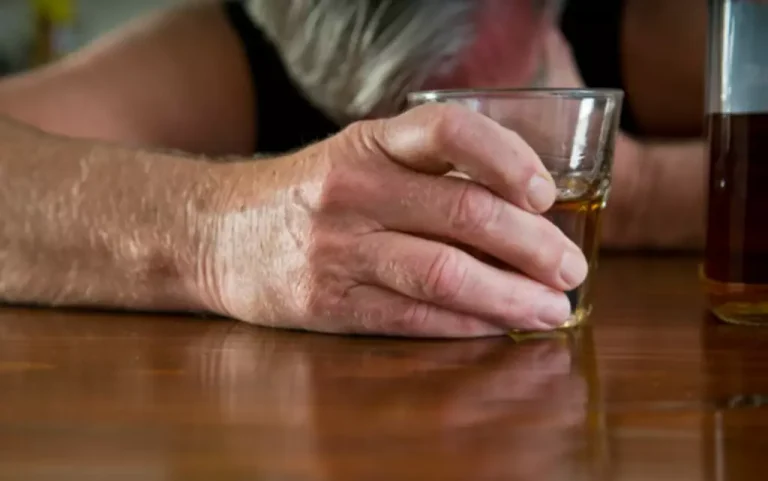
Someone who’s narcissistic might be self-absorbed and have an inflated sense of self-importance. Before we go further, it’s important to understand the terminology used in this article. They often show emotions designed to promote a positive what happens when a narcissist drinks alcohol image of themselves. Alcoholics are opportunistic and resourceful at getting their drinks, no matter the cost. Alcoholics will give many excuses for their alcohol consumption rather than take responsibility.
- They are extremely self-interested and often don’t think of other people’s feelings and emotions.
- They may struggle with jealousy, have a sense of entitlement, and display manipulative behaviors.
- Tread carefully as we unveil the subtle signs of narcissist grandparent grooming that could endanger a child’s well-being.
- Promoting awareness, support, and education can ultimately lead to a healthier and more informed population.
Ways Narcissists and Alcoholics Are Similar
One such change might be to avoid substances like alcohol if they tend to trigger harmful behavior. People can misuse alcohol without having AUD or being addicted to alcohol. They might infrequently have bouts of excessive drinking, for example, but find that it doesn’t affect their life and that it’s easy to cut back on alcohol (or to stop drinking entirely).
Is It Possible for a Narcissist to Change Their Behavior and Become a Healthier Partner in a Relationship?
The main treatment for NPD is talk therapy, also known as psychotherapy. Genetics also seem to play a role in the development of both conditions. It seems that many people who have NPD might also have AUD, but it’s not clear why.

Behavioral Patterns of Covert Narcissists
When dealing with a covert narcissist who is also battling alcoholism, the phrase ‘actions speak louder than words’ rings true. It can be puzzling to encounter individuals who appear unassuming, but in reality, they are constructing a complex web of manipulation and self-centeredness. Clear, consistent boundaries are crucial when interacting with a narcissistic alcoholic. Communicate limits calmly and directly, focusing on specific behaviors rather than personal attacks. Group therapy sessions offer opportunities for narcissistic individuals to receive feedback and practice empathy. Schema Therapy, specifically designed for personality disorders, can be beneficial.
- Some studies have shown people diagnosed with NPD respond more positively to therapeutic and social interventions.
- Remember to emphasize the importance of self-care and healing in the letter to promote your well-being during this emotional process.
- Alcohol can influence narcissistic behaviors, such as arrogance, self-importance, and feelings of superiority that aren’t otherwise present when sober.
- The combination of high grandiosity, low self-esteem, and vulnerable narcissism can create a powerful fuel for a self-destructive cycle.
While narcissism and alcoholism don’t always occur together, there are some reasons why narcissists might be more prone to developing an alcohol use disorder than the average person. According to a 2018 article, due to the common co-occurrence of personality disorders and AUD, it is important that substance misuse services screen for personality disorders and vice versa. When people have a mental health condition that co-occurs with a substance misuse disorder, such as AUD, doctors may refer to this as dual diagnosis.